
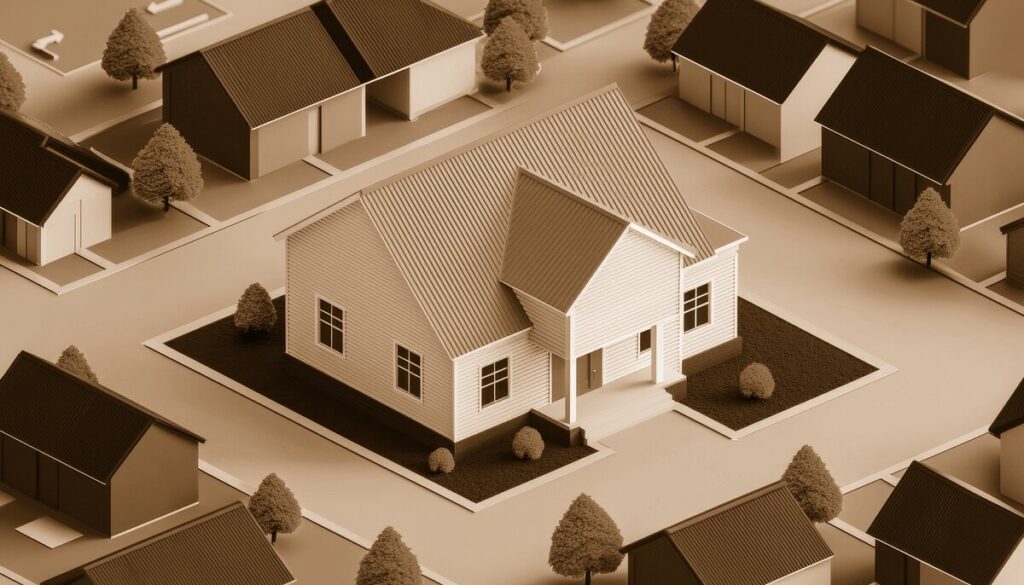
Discovering Forest Hills: An Introduction
Nestled in the heart of San Marcos, Texas, the Forest Hills neighborhood stands as a quiet testament to the city’s rich tapestry of history, community spirit, and resilience. Longtime residents know Forest Hills for its canopied streets, eclectic mix of architecture, and the welcoming atmosphere that somehow manages to blend the nostalgia of yesteryear with the vibrancy of modern living. Whether it’s the sound of children playing along Forest Drive or neighbors sharing stories on front porches, Forest Hills is more than just a place—it’s a living, breathing chapter of San Marcos history.
The Origins of Forest Hills
The story of Forest Hills begins in the post-war boom of the late 1940s and early 1950s. As San Marcos began to grow beyond its historic downtown and the bustling campus of what was then Southwest Texas State Teachers College (now Texas State University), demand for spacious and serene residential areas increased. Forest Hills emerged during this time as one of the city’s first purpose-built suburban neighborhoods, centered around a vision of community, tranquility, and connection to the natural world.
Prominent local developer George M. Carter envisioned Forest Hills as a retreat from the growing urban core, where families could build new lives surrounded by the beauty of mature live oaks and rolling hills. The area between N LBJ Drive and Holland Street, stretching northward from Sessom Drive, provided the perfect landscape for winding roads, generous lots, and a unique mix of ranch-style and mid-century homes.
How Forest Hills Got Its Name
The name “Forest Hills” captures both the neighborhood’s topography and its defining lush tree cover. Early promotional materials promised “homes among the trees,” and the name quickly stuck. Residents took pride in the natural beauty around them—massive live oaks, pecans, and elms that still provide shade and character to streets such as Forest Drive, Ramona Circle, and Hillcrest Drive. Over time, these iconic trees became synonymous with the neighborhood’s identity, so much so that many residents refer to themselves as “Forest Hillians.”
Key Historical Milestones
- 1950s Suburban Growth: The first houses in Forest Hills were built in the early 1950s, marking a new era for San Marcos families seeking modern conveniences and quiet streets. With curvilinear roads designed to discourage fast traffic, Forest Hills quickly attracted young professionals, university staff, and returning veterans.
- The Rise of San Marcos High School: The original San Marcos High School was located just a stone’s throw away on Hutchison Street, contributing to the family-friendly feel of the neighborhood. Over the years, generations of Forest Hills teens walked or biked to school, strengthening the sense of community.
- Cultural Celebrations: Forest Hills has long been the scene of vibrant block parties and neighborhood events. The annual Fourth of July parade and holiday light tours on Forest Drive became cherished traditions that continue to this day.
- Historic Preservation Efforts: In the 1990s and early 2000s, as new development pressures increased, Forest Hills residents united to preserve the neighborhood’s tree canopy and mid-century architectural integrity. Their advocacy led to several local zoning protections and tree ordinances still in effect today.
Notable Landmarks and Buildings
- The Historic Carter Home: At the corner of Forest Drive and Lee Street stands one of the neighborhood’s earliest homes, originally owned by developer George M. Carter. This rambling ranch house, with its broad porch and original cypress siding, often catches the eye of walkers for its classic charm.
- Ramona Circle Park: Tucked between Hillcrest and Ramona Drive, this beloved pocket park is a focal point for neighborhood gatherings, outdoor yoga, and Sunday picnics. The century-old oak at the park’s center is thought to predate the neighborhood itself.
- Sessom Creek Greenbelt: Running parallel to Sessom Drive, this creekside trail offers Forest Hills residents a peaceful escape into nature and connects easily to the citywide trail system. Birdwatchers, joggers, and dog walkers all frequent this green space.
- Notable Mid-Century Homes: Many original mid-century modern homes, recognized by their sprawling single-story layouts, exposed beams, and picture windows, are lovingly maintained by current residents. They tell the story of architectural innovation and changing tastes through the decades.
Evolution Through the Decades
Forest Hills has never been a neighborhood that stands still. Over the past seventy years, it has weathered many of the changes that have shaped San Marcos—university expansion, new waves of residents, and shifts in development trends—all while maintaining a distinct character.
- 1960s–1980s: The neighborhood matured as children grew into adults, many returning to raise families of their own. The “Forest Hills Neighborhood Association” was established to foster community bonds and advocate for shared interests.
- 1990s–2000s: As San Marcos experienced rapid growth, Forest Hills faced pressures from investors and developers. Residents joined forces to preserve the area’s vintage homes and mature trees, often attending city council meetings as a united voice.
- Today: While new families and students bring energy and diversity, Forest Hills remains anchored by those who appreciate its history, peaceful streets, and sense of legacy. The old traditions—backyard cookouts, communal gardening, and spring art walks—blend seamlessly with new ideas and fresh faces.
The Enduring Heritage of Forest Hills
What truly distinguishes Forest Hills is its spirit. Lifelong residents and newcomers alike share a commitment to stewardship of the neighborhood’s heritage, whether that means maintaining an original 1950s home, planting native flowers along the sidewalk, or welcoming a new family at the annual picnic.
As you stroll along the leafy avenues—perhaps catching a glimpse of squirrels playing beneath the historic oaks or pausing to chat with a neighbor mowing the lawn—it’s easy to understand why Forest Hills holds a special place in San Marcos’ heart. Its history is written not just in bricks and deeds, but in friendships nurtured, families raised, and memories gently accumulated, season after season.
Forest Hills invites all who enter to become part of its story—a legacy of resilience, warmth, and timeless Texas charm.